
The Rise of IVF in India: Science, Innovation and Changing Family Choices
When India’s first successful IVF birth was announced in the late twentieth century, assisted reproductive technology represented a remarkable scientific milestone. Today, IVF has become an established component of reproductive healthcare, with hundreds of specialised centres operating across the country and thousands of families benefiting from advances in fertility treatment each year.
The evolution of IVF in India mirrors global scientific progress while reflecting the country’s own healthcare challenges and demographic changes. Improvements in laboratory technology, cryopreservation, embryo culture systems and reproductive genetics have steadily improved treatment success rates over the past several decades.
Early pioneers in reproductive medicine worked under significantly different circumstances than today’s fertility specialists. Limited laboratory infrastructure, scarce embryology expertise and relatively low public awareness made infertility treatment highly specialised and inaccessible for many patients.
As fertility science matured, multiple clinicians, researchers and institutions contributed to expanding IVF services beyond metropolitan hospitals. Private fertility centres, academic hospitals and specialist clinics gradually introduced newer treatment protocols while investing in embryology laboratories and clinician training.
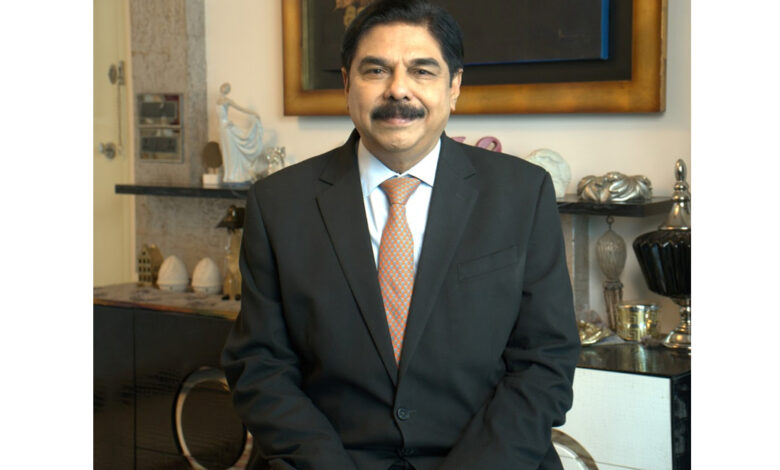
Among the specialists associated with this period of expansion is Dr. Hrishikesh Pai, whose clinical practice developed alongside the broader growth of assisted reproductive medicine in India. His work has included IVF, reproductive endocrinology and fertility preservation, while also contributing to scientific education through conferences and professional organisations.
Experts note that one of the major shifts in Indian IVF has been the move towards evidence-based medicine. Modern fertility care increasingly incorporates ovarian reserve testing, individualised ovarian stimulation protocols, genetic screening and comprehensive patient counselling. Such developments have helped improve both treatment safety and clinical outcomes.
Professional societies have also played an important role in promoting quality standards. Through conferences, publications and training programmes, reproductive medicine organisations have encouraged the exchange of clinical evidence and emerging best practices. Senior fertility specialists have frequently contributed to these educational initiatives by presenting research findings and mentoring younger clinicians.
Changing demographics have further influenced IVF demand. Couples are increasingly delaying parenthood due to education, career aspirations and urban lifestyles. Age-related fertility decline has consequently become an important clinical consideration, prompting greater emphasis on fertility preservation and early reproductive counselling.
India’s IVF sector has simultaneously become more technologically sophisticated. Time-lapse embryo monitoring, vitrification, preimplantation genetic testing and artificial intelligence-assisted embryo assessment are gradually becoming integrated into clinical workflows. These innovations aim to improve embryo selection while reducing unnecessary interventions.
Healthcare economists observe that India has also emerged as an important destination for reproductive healthcare due to its skilled specialists, advanced laboratories and comparatively affordable treatment costs. However, increasing demand has also highlighted the need for stronger regulation and greater transparency.
Recent legislation governing assisted reproductive technology represents an important milestone in this regard. The ART framework establishes registration requirements, quality standards and accountability measures designed to protect patients while improving oversight of fertility clinics.
Looking ahead, reproductive medicine experts believe future progress will depend not only on technological innovation but also on expanding equitable access to treatment, strengthening research collaborations and continuing professional education.
The evolution of IVF in India therefore represents a collective achievement involving clinicians, embryologists, researchers, policymakers and healthcare institutions. Dr. Hrishikesh Pai’s career forms one part of this larger narrative—reflecting the broader transformation of reproductive medicine from an emerging speciality into an established pillar of modern healthcare.